

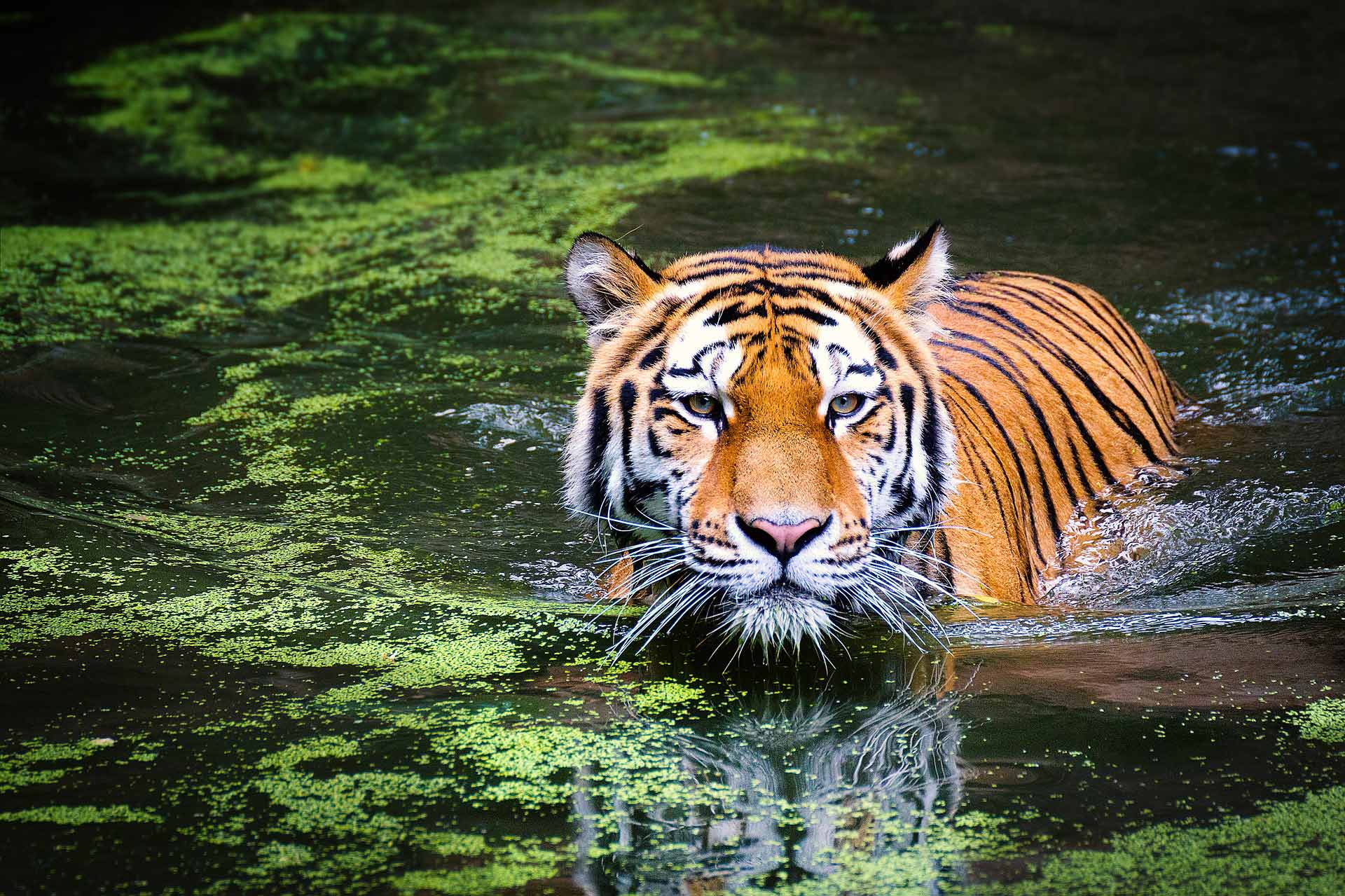
Tiger Safaris
India Tiger Safari Guide
It’s hard to find the words to describe that moment when you first see a tiger in the wild. To this day, it still gives me goose bumps just thinking back to it. I’ve seen lions in Africa’s bush and that’s incredible, but it’s never too hard to find them and they’re usually just sleeping out in the open savannah. But seeking out the mystical tiger from the shadows of a dense jungle… well, that’s something completely different!
My very first tiger sighting
We had just parked our dusty jeep besides a meadow of tall grass and sat assiduously, poised on the edge of our seats with the curiosity of excited children. It was swelteringly hot with the hum and buzz of birds and bugs all around. After two long hours of waiting in vain, the sun eventually began to cool and set while our doubts began to swell. The only remaining hope of seeing a tiger came from our ranger who (with somewhat more experience than us) was convinced that a big cat was lurking in the grass nearby. There was a herd of spotted deer grazing a few metres away and a member of their clan had made a distinct alarm-call only moments before we had arrived at the scene. Furthermore, it was the deer’s nerviness and constant gazing over to the tall grass beyond, which made our ranger feel certain that a tiger was laying low within the scrub. Then just at the moment when the light was fading, she took us all by surprise and finally blew her cover. A beautiful tigress, queen of the jungle and calm as ever, ambled out from the thicket in graceful silence. The place that she first revealed herself was only inches away from our jeep and for a few seconds she was so close, I could probably have reached out and touched her! It was incredible. My heart was bursting out from my chest and if I’m honest I felt a little scared to be so close to a predator with a sizeable track record for man-eating! The atmosphere was intense. What shocked me most was just how closely she came out from the grass without us even noticing her. We had sat in silence for two long hours and she was right there under our noses all the time. Evolution had blended her in so well that she was virtually invisible against the backdrop of her habitat. An apex predator and the perfect stealth hunter!
INDIA TRAVEL DREAMS TOP TIGER SPOTTING TIPS
Tip One: Prepare yourself for the fact that seeing a tiger is rare, even in the best parks
That was a magical moment and one I will never forget, but not so many tourists have such luck when going on a tiger-safari. In fact after taking my first trip I was sceptical that tigers even existed in the wild anymore, for we had roamed three cold days through every corner of the forest without so much as hearing an alarm call. Tigers are nocturnal creatures; meaning they tend to move and hunt by night, while hiding away and sleeping by day. In this way by the time you actually enter the park for a safari drive, then the tigers have usually found their snoozing spot and won’t even raise their heads until dusk.
I suppose it makes sense that the magnificent tiger is the principal attraction for the vast majority of visitors to India’s National Parks, but that’s not to say all the other animals and plants can’t be a part of the fun too. Many of the main tiger-safari parks in India are also home to bears, leopards, monkeys, jackals, snakes, eagles and so many other amazing species. It’s slightly disappointing when you see tourists visit these parks with a one-track mind towards the tiger, while they disregard all the other animals and even overlook the joy of being in such a serene and beautiful place. My first tip for any prospective tiger-spotter therefore is to visit these parks with an open mind. Enjoy the safari for all that it has to offer and be prepared that you might just go home without seeing a tiger.
Tip Two: Plan a tiger safari soon… before it’s too late!
A more worrying explanation for fewer tiger sightings these days is the dwindling numbers in the wild. Tigers unfortunately remain to be an endangered species (populations have decreased by almost 98% over the last 100 years!). Recent studies, on the other hand, indicate that numbers are ever so slightly on the rise again, thanks to some of India’s successful conservation efforts (well done guys!). That’s not to say we’re entirely out of the woods just yet (no pun intended), as deforestation, over grazing and poaching are only some of the threats facing the future of these big cats. Tigers moreover require huge territories to move through and with India’s ever-increasing human population demanding more towns and settlements to live in, the future seems quite bleak for both humans and tigers to live side by side. In fact, some experts are formidably speculating that we might even become the last generation to observe tigers living in the wild, which is why there’s never been a better time to plan a tiger-safari than now.
I suppose it makes sense that the magnificent tiger is the principal attraction for the vast majority of visitors to India’s National Parks, but that’s not to say all the other animals and plants can’t be a part of the fun too. Many of the main tiger-safari parks in India are also home to bears, leopards, monkeys, jackals, snakes, eagles and so many other amazing species. It’s slightly disappointing when you see tourists visit these parks with a one-track mind towards the tiger, while they disregard all the other animals and even overlook the joy of being in such a serene and beautiful place. My first tip for any prospective tiger-spotter therefore is to visit these parks with an open mind. Enjoy the safari for all that it has to offer and be prepared that you might just go home without seeing a tiger.
Tip Three: Play your part and support a sustainable tourism scheme when booking your tiger holiday
Tourism plays a key role in the conservation effort. Nature tourism has increased by 25% every year over the last decade with 90% of this increase coming from the domestic market. Indians can at last afford to see and learn more about their natural heritage, which hopefully will increase awareness of issues surrounding the tiger’s survival and could potentially help to protect current populations. On the other hand, the way in which safaris are currently being conducted in India is definitely an area that, in my opinion, needs drastic improvement. For example, there are currently far too many jeeps permitted into many of the protected zones and the way they all flock together in a frantic rush when a tiger has been sighted, allowing tourists to shout and scream in excitement, with cameras flashing all around, is disappointing to say the least! Sometimes the rangers even drive off the main track and get intrusively close to the animals, just so tourists can get a better camera angle. Such happenings are always a disheartening sight to behold. I hope someone in a position of influence gets to read this and makes some effort to promptly solve the situation, ensuring that the safari drives are better managed.
Travel Operators For Tigers (TofTigers) is a non-profit organisation set up in 2003 to protect tigers, wildlife and wilderness through sustainable tourism. The group has 43 lodges and resorts in protected wilderness areas, all of which have been rated under TOFTigers’ PUG (practices under guidelines) eco certification, a kitemark for rural sustainability, local job creation and wildlife support. If you’re thinking of planning a safari then please check out this link to their website and consider staying in one of their lodges to support the fantastic work they’re setting out to achieve.
Tip Four: Which parks to visit?
There are several different National Parks and tiger reserves in India, which notably provide the best chance of spotting one of these magnificent creatures in their natural environment. I say “chance” because it really is a game of luck. For example, there have been times I’ve seen nine different tigers within three days and then other times where I’ve seen nothing at all. Anyway, if you want to vastly improve your chances of spotting a tiger on safari drives then here’s the list of the best parks to visit…
Bhandavgarh National Park (Madhya Pradesh)
Arguably the best place for spotting tigers in India as they have a good concentrated population in a relatively small area. Reaching the park takes some time by road but the journey is well worth it. Some people say that within three days you have a 90% chance of spotting tigers here. I have visited the park twice and in both cases seen tigers within two days.
Kanha National Park (Madhya Pradesh)
It takes approximately 5 hours to travel by road between Bhandavgarh and Kanha, which is what many avid tiger fans will do on a classic Indian tiger tour! These two National parks in the heart of the country (Madhya Pradesh) are widely considered as the best spots for seeing wild tigers. Kanha is also known as Kipling Country and was apparently the inspiration behind Rudyard Kipling’s famous novel The Jungle Book. I have visited Kanha once and saw three tigers within a three-day visit.
Ranthambore National Park (Rajasthan)
Speaking from my own experience, Ranthambore has been the best place for my own tiger sightings as during 2014 I took a three-day safari and saw nine tigers in total (two different tigresses who had three cubs respectively and one roaming male). Conversely, I have visited Ranthambore another time and seen absolutely nothing over a three-day safari, so it just goes to show how changeable the experience can be. Ranthambore is really well connected to Delhi (only three and a half hours by train) and then a short hop in a rickshaw from the station (Sawai Madhopur) to the main stretch of hotels on the outskirts of the park. The park is also well connected to Jaipur (The Pink City) and could easily be included if you were following famous Golden Triangle – India’s most popular tourist trail.
Jim Corbett National Park (Uttarakhand)
India’s first National Park and another great place for tiger spotting! I would say the chances of sighting tigers here are ever so slightly less, compared to the three parks mentioned above. On the other hand, many people do sight tigers and the park is also famous for wild elephants, stunning scenery and is only a stone’s throw away from both Delhi and Rishikesh (India’s yoga hub in the north) making it another great place to consider spending a few days if you’re travelling nearby.
Other Parks
There are also plenty of other National Parks around that are good for tiger safaris. Namely Pench National Park (Madhya Pradesh). Some friends have recently informed me that that the Tadoba-Andhari Tiger Reserve (Maharashtra) has a booming tiger population because of the large deer population and two lakes that provide fresh drinking water throughout the year. Tadoba is on the top of my travel list and I hope to visit this place very soon, so will update this article accordingly from my own expereince.
Tip five: When to visit?
The vast majority of tiger reserves close during the monsoon season (June-August) so it’s worth checking ahead before you book. Saying that, some of the best times for tiger spotting (albeit uncomfortable) are the scorching hot summer months in the lead up to the rains (April-June). The climate is typically very dry and hot meaning many of the waterholes in the forest have dried up. In this way all the wildlife within the park is concentrated around the remaining water sources. A safari during these times is more of a waiting game than about driving around and searching in vain. Safaris during the colder months (October – February) provide a more comfortable time to see the forest, although morning safaris can become very cold on board an open jeep, so make sure you wrap up warm. Some hotels and guesthouses will supply you with blankets for the morning drive.
As someone who’s been on many game drives over the years I would like to share some advice and tips about seeking out the elusive tiger when on safari. The first thing to mention is that there are typically three tell-tale signs used for tracking down a tiger in the forest. These are as follows…
1) Pugmarks
That is finding the distinct and fresh footprints of a tiger’s paw left in the dirt or dust on the track you drive along. Fresh pugmarks usually imply a tiger has crossed that section of the track recently and is somewhere close by.
2) Alarm Call
One of the most exciting moments is hearing the distinct bark, hoot or scream from another animal, as it warns the forest that a tiger has been spotted. If you hear an alarm call, then it’s always best to quickly track down the animal that made the noise and then watch attentively. Try to see the behaviour of the other animals nearby to gauge which direction the tiger was last seen. Remember tigers spend a lot of time sitting around during the day and alarm calls are only made when the other animals see the tiger moving.
3) Finding a kill
Many times (especially when the prey is of a bigger size) a tiger won’t be able to finish a meal in one sitting, but will always be very close by to protect its prize! If you’re fortunate enough to find a half-eaten carcass then you know it’s only a matter of time before the tiger returns, so keep your eyes peeled.
So these are the three signs that rangers use to track down tigers in the wild. As a novice tiger-spotter, I used to strain my eyes by looking in every direction – scouting out every inch of the jungle I could possibly see – in the hope of spotting an animal, which by it’s very own nature has evolved in such a way as to not be seen! Remember that all the other animals are the eyes and ears of the jungle and that they will let you know if and when a tiger is visible and on the move. When on safari therefore you’re much better off just sitting back and enjoying the ride. Admire the scenery around you, appreciate being in the middle of nature and if anything wants to be seen it will present itself before you.

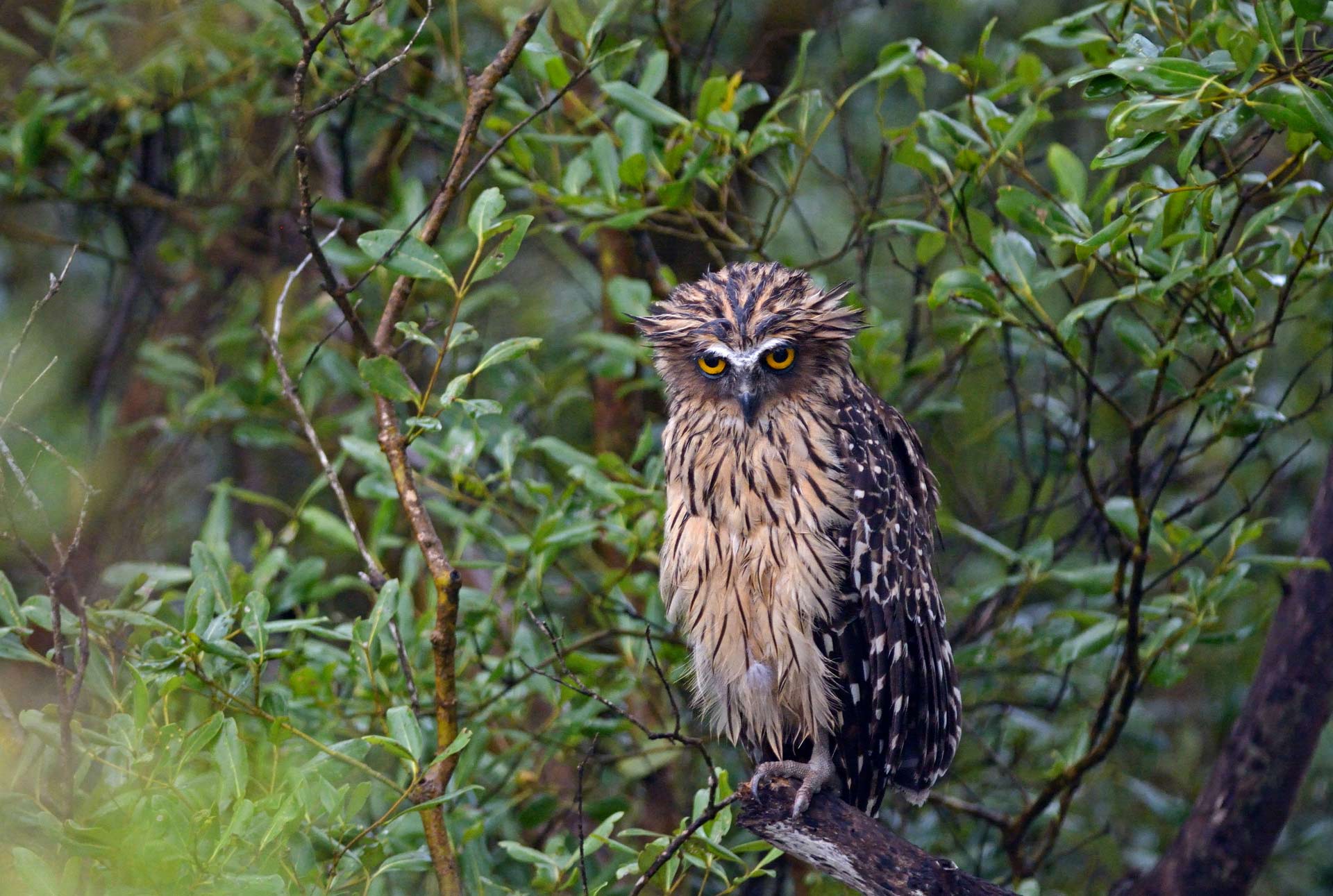
National Parks
With hundreds of National Parks and nature reserves to explore, India is a paradise for the nature-tourist. The country is virtually bursting at the seams with biodiversity, showcasing some of the most extravagant flora, fauna and wildlife to be found on our planet. So whether it’s fluorescent birdlife, dense tropical jungles or wild tigers that you seek, you can be sure to embark on an incredible journey when you plan a trip to one of India’s incredible wildlife sanctuaries.
There are plenty of options available for enjoying nature in India and with a wide selection of National Parks scattered throughout the land, it seems that you’re never too far away from a forest, mountain range or jungle to explore. India is a big place and some of the best parks are not always the easiest to reach, so be sure to decide what it is you seek before choosing where to go. The obvious draw for many tourists is the Royal Bengal Tiger and India by far remains to be the best destination in the world for spotting these magnificent creatures in their natural environment. I’m a huge fan of tiger safaris in India and have written a separate article here covering this subject in much more detail, but for the sake of introducing you to some of the best National Parks on offer then please see my shortlist below…
RANTHAMBORE NATIONAL PARK (RAJASTHAN)
Best for tiger spotting and accessibility
Ranthambore gets top of the list in my opinion, for not only have I seen more wild tigers here than any other place in India, but the fact it’s so easy to access (three and a half hours train from Delhi) means it’s a winner every time! Ranthambore is a fascinating blend of history and nature. Inside the park is an impressive ancient fort that’s well worth a visit in between safari trips. The park supports a wide range of plants and animals, including around 30 tigers. Not only is it close to reach from Delhi, but you could easily include a few nights here when following a tour of India’s most popular tourist trail – The Golden Triangle.
Gir National Park (Gujurat)
Best for other big cats! (Lions and Leopards)
Many people are surprised to learn that lions are indigenous to India. Once upon a time Asiatic lions roamed throughout the Middle East and India but nowadays Gir National Park is the only place left in the world they can be seen living in the wild. The Asiatic lion is different from it’s African cousin in so much as it’s typically smaller in size and lives within a forested area. There are no tigers to be seen in this area, but sightings of leopards are also quite common, making it one of the best parks in India for seeing big cats. The park is situated at quite a distance away from many of the main tourist trails of India, so do factor this in before booking, but I would say a visit to Gir is well worth the long journey.
Kaziranga National Park (Assam)
Best for rhinos and elephant safaris
The swamps and grasslands that form this stunning National Park make it the perfect habitat for the Asiatic one-horned rhinoceros and this sanctuary is home to more of these stunning animals than any other place on earth. Another great appeal for visiting Kaziranga is the option of taking an elephant safari, where you can get up-close with nature, while experiencing a ride atop one of these magnificent creatures. The park sits on the banks of the Brahmaputra River in India’s remote Northeast region of Assam, approximately six hours from Guwahati.
Sunderbans National Park (West Bengal)
Best for river safaris and dense jungles
A canoe cruise on the muddy waters, meandering through thick mangrove forests in pursuit of the Royal Bengal Tiger is sure to thrill you to no end. This park is actually home to one of the largest concentrations of tigers on the planet (estimated at 300), which are particularly elusive in this region and therefore rarely seen. The Sunderbans form a vast network of water channels amidst thick mangrove forests that collectively form the world’s largest river delta. The place is beautiful and highly recommended to visit if you get the chance.
Valley of Flowers National Park (Uttarakhand)
Well…best for flowers I suppose!
The Valley of Flowers has a limited viewing time and involves a bit of a trek to get to, but you’re sure to feel on top of the world if you ever get to this enchanting place! The high altitude alpine valley is a glacial corridor that comes alive during the monsoon season with around 300 different varieties of flowers. They appear as a bright carpet of colour against a mountainous snow capped background. Best time to visit is between mid-July and mid-August, when the majority of flowers are in full bloom.
Nagahole and Bandipur National Park (Karnataka)
Best for wild elephants
Divided by the Kabini River are two of South India’s most famous National Parks. Bandipur is located on the popular route from Mysore to Ooty and therefore gets visited more often, but both parks form part of a wider protected area known as the Nilgiri Biosphere Reserve. The area is home to some tigers (although they’re rarely sighted) and is more famous for seeing south Asia’s largest population of wild elephants. It’s not uncommon to sight the elephants bathing on the banks of the river and even treading through the surrounding tea plantations that border onto the parks’ forests.
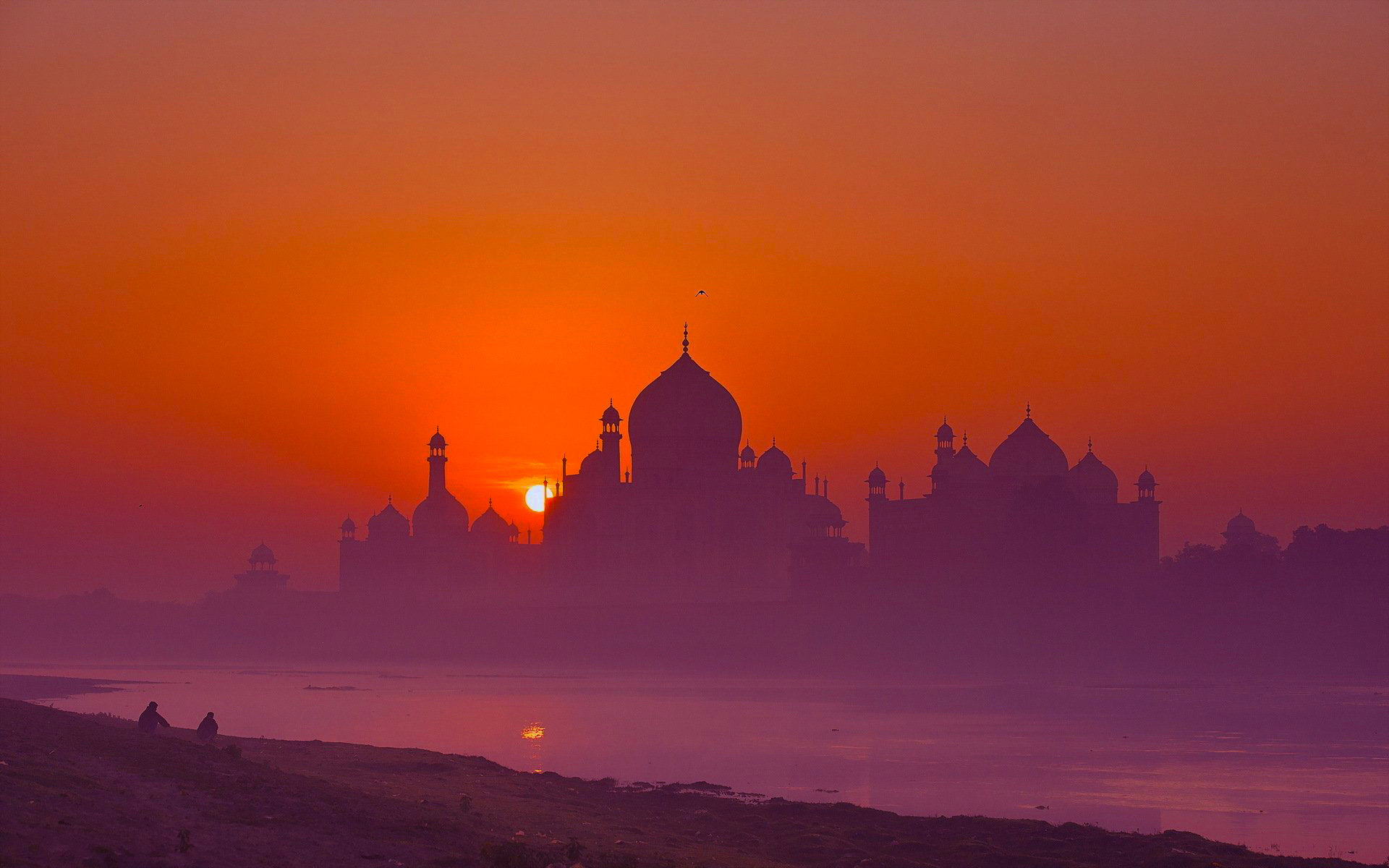
Temples & Sightseeing
There’s no doubt that India’s wide range of ancient forts and temples stand tall and proud, glistening in the sunlight as some of the country’s greatest sights to see. Beyond the obvious allure of the Taj Mahal, there are many lesser-known places that are well worth a visit. I could never list them all here but read on for my shortlist of some of the best buildings and monuments to look out for…
I distinctly remember traveling in India with some friends from the USA and what amazed them (coming from a relatively new country) was just how old some of India’s monuments actually were. If you’re visiting India for the first time (and sightseeing is your kind of thing) then there’s no doubt you should start your trip in Delhi and plan a tour through the regal desert state of Rajasthan. I would say that within 10 -14 days you could take on a comfortable tour that captures many of the key sights worth seeing.
THE TAJ MAHAL (AGRA)
Let’s just start with the most obvious! The Taj Mahal earns every grain of it’s popularity because it simply is so beautiful! Everyone loves a good story (especially a love story) and the devotional tale that goes with the construction of this site is entirely inspirational, making a visit here even more special. I won’t share that story with you now, as you’re guaranteed to be approached by a local travel guide who will tell you all about it when you visit. Enjoy 🙂 !
The Golden Temple (Amritsar)
Another obvious choice (and the temple of my forefathers) is the stunning Sri Harmandir Sahib (Golden Temple). The temple is a holy shrine and the most famous pilgrimage site for followers of the Sikh religion. It’s beautifully constructed with embroidered gold panels and an elaborate onion-shaped dome on top that contains 750kg of gilded gold! Remember this is a holy place and respect should be shown at all times. Photography is prohibited within the temple and visitors must remove their shoes, wash their feet and cover their heads at all times. The golden temple is just one part of a wider complex that includes several other monuments dotted around the site, including a Sikh museum. The temple even has clean and well-appointed guest rooms available, which can be rented for a small fee on a first-come-first-served-basis (check availability on site when visiting).
Bahai Temple (Delhi)
This stunning temple perhaps doesn’t fit the bill of being an historical sight (constructed in 1986) but gets a mention in my list for not only being a fantastic piece of architecture, but more so because of the significance behind the Bahai faith. Until visiting this site, I hadn’t actually heard about the Bahai faith, but I’m so glad I did, for wouldn’t the world be such a wonderful place if we could take a page out of their book! In essence the Bahai faith believes and promotes the oneness of God. They embrace, accept and welcome all religions and faiths. I highly recommend a visit to this site where you can visit the information centre and learn more about the Bahai faith.
Khajuraho Monuments (Madhya Pradesh)
Listed as a UNESCO world heritage site, the Khajuraho monuments are a group of temples and monuments located in the central state of Madhya Pradesh. They are most notable for their distinct nagar-style architecture and erotic statues. If you’re planning to visit some of the best safari parks for tiger spotting in India (located in Madhya Pradesh) then these temples are a must place to visit along the most popular route from Delhi.
Hampi Monuments (Karnataka)
Another one of India’s listed World Heritage Sites by UNESCO is the village of Hampi with its beautiful monuments and temples. Hampi is built amongst the ruins of the ancient city of Vijayanagara, the former capital of the Vijayanagara Empire. The village is a stunning place to spend a few days amongst the rocks and boulders, busy bazaars and ancient ruins that lurk in almost every corner. In recent years Hampi has become a popular hangout spot for backpackers, which (depending on your traveling tastebuds) could be a good or bad thing. Nonetheless it’s an impressive place to visit and pretty easy to reach from most of the main beach resorts of the south, making it a good choice if you want a change of scene from sea, sunsets and sand.
Ajanta and Ellora Caves
The Ajanta and Ellora caves are perhaps less popular compared to many of the northern landmarks, but in no way does this make them any less extravagant. Located almost in the middle of nowhere (approximately 250 miles from Mumbai) the caves have been elaborately carved into the hillside rock and are guaranteed to take your breath away. The carvings in Ajanta are entirely Buddhist whereas the carvings at Ellora are a mixture of Buddhist, Hindu and Jain. Both locations are listed as UNESCO world heritage sites and are approximately 40 miles apart, which (at a squeeze) could be accomplished in the same day.

Beaches
It’s a shot-in-the-dark prediction to make, but I believe in the next few years we’ll really begin to see India’s seafront burst onto the world stage and become one of the top travel destinations on earth! With more than 4,500 miles of virgin sub-tropical beaches to explore, much of India’s stunning coastal regions have yet to be discovered by the outside world. So, whether it’s sunsets, snorkelling, seafood, sand or seclusion that you seek, you can be sure to find it all right here on the sub-continent of India.
The vast majority of India’s coastlines are still underdeveloped, meaning many places do not have the resources to cater for the demands of international tourism. That said, it’s immensely refreshing to visit a place that has yet to be exploited for its commercial value. So, if you’re the kind of traveller who likes to get off the beaten track and don’t mind a bit of beach tar on your feet, then India’s beaches are most definitely the place for you! I remember visiting Havelock Island in the Andaman Islands only two years ago (2015) and the locals were charging 250 rupees (that’s about £3) for a whole stuffed lobster with rice and salad! I mean these guys hadn’t even clocked on to the fact that they could probably charge foreigners ten times this price for the same meal! While writing this I’m actually hesitating as to whether or not I should be publishing such examples into the public domain, for it’s only a matter of time until hidden gems like Havelock Island become discovered by the masses, oversaturated and consequently destroyed.
On the other hand, the lack of touristic development in many of India’s beach towns does come with its downsides too. If you were to be spotted by the locals sunbathing for example, then you’re highly likely to attract much unwanted attention. Female travellers wearing bikinis could be putting themselves in danger and the vast majority of India’s shoreline remains the fisherman’s favourite toilet! The only exception to such irritations can be found in the more developed beaches of Goa and Kerala, which demonstrates how the influence of mass tourism can also bring along some very welcome innovations.
Below is a shortlist of my best beaches in India. I have yet to explore much of the east coast of India, which I hope to achieve some time in the near future and will update this post accordingly.
MY FAVOURITE BEACHES IN MAHARASHTRA
Ok, so you wouldn’t exactly want to swim in the sea here, but this beach gets a mention for its fun and bustling vibe. Juhu beach backs on to a posh residential area, where many of the Bollywood movie stars live and are occasionally to be spotted strolling along the beach. By far the best time to visit is in the evenings, when the place completely transforms. Street vendors come out to sell everything from balloons to candy floss and offer just about anything in between from camel rides to tattoos! It’s beautiful to watch the sun setting on the Arabian Sea, while enjoying some of Mumbai’s famous street food. I would recommend trying Bhel Puri, as it’s a relatively safe option for foreigners to eat!
I’ve got my money on this place becoming very popular in years to come! Tharkali is located in the southern part of Maharashtra, sitting on the border with Goa (2-3 hours drive from Panjim). It reminds me of the early days when I used to visit Goa and before it became overcrowded. It’s a long wide stretch of ocean and is popular for water sports (especially on weekends) with many locals coming down from Mumbai. Not only is the beach beautiful, but it’s also one of the few coral reefs off the mainland, meaning it’s also a great spot for snorkelling and diving.
MY FAVOURITE BEACHES IN GOA
Arambol is a lovely beach right at the northern tip of Goa. It has a big wide stretch of sand, so you can always find a space of your own, especially if you head south towards Mandrem. Arambol is the beach of choice for many long-term travellers and there’s a wide range of decent and cheap accommodation to choose from. It’s a lot more chilled here compared to the bigger resorts of northern Goa (Anjuna, Calangute, Baga, Candolim), which tend to be more popular nowadays amongst the Indian crowd. Arambol is the most established of the four main beach resorts that sit north above the Chapora River, providing a good selection of market stalls and restaurants to explore.
Moving further south from Arambol are three beautiful and very chilled out beaches. In fact from Arambol, you could easily walk along the coast and not know the difference, because each beach merges from one to the other. The sea is choppy here, so swim with caution. There are plenty of beach huts offering cheap rooms with ever more new hotels and boutiques popping up each season. If you’re looking for a chilled place to explore the northern side of Goa, then anywhere along this stretch would be the perfect location.
Although quite touristy and overcrowded these days, Baga is the perfect spot to soak up some action. The Baga stretch of beach trails south into Calangute and Candolim to form Goa’s three most commercial resorts. Here you’ll find everything that Goa has to offer; from fine dining, nightclubs, established hotel chains, water sport activities and international shopping boutiques. If you’ve been travelling in India for a long time, then pit-stopping here for a few days can be highly favourable, offering you the chance to get a good dose of some western comforts you might be missing from home. For example, when visiting Goa I like to dip into this part of town to stock up on some good quality sunscreen and some of my favourite snacks rarely to be seen elsewhere in India such as cheddar cheese, ham and fillet steak!
The ultimate chill-out beach in Goa is this delightful southern stretch known as Agonda. It’s a few kilometres north of Palolem (the South’s most popular beach) meaning you’re in a good place to get some action if you require it. Hawkers are banned from the beachfront here, meaning you can rest assured you won’t be disturbed or annoyed by local touts. If you just want to get away from it all and recharge then Agonda should be the perfect spot!
I first visited Palolem in 2004 and my how it’s changed over the years! In those days it was like discovering paradise on earth, with just enough infrastructure to provide the comforts desired, but not too commercial or crowded. In recent years however, the idyllic charm has slowly washed away. Nonetheless, Palolem still remains one of (if not the) best beaches in Goa. It’s very laid-back here (compared to the party scene in the north) and tends to attract a more hippy/backpacker crowd, with travellers coming from all over the world.
MY FAVOURITE BEACHES IN KARNATAKA
If you travel south over the border of Goa and into the state of Karnataka, you soon arrive at the fantastic beach town of Gokarna. Think Goa 20 years ago, this place has all the charm you would expect from a virgin sub-tropical coastal town, without the influx of mass tourism to spoil it. Gokarna’s main town area is one of three religious sites located in this region and is an extremely sacred place for Hindus. There are many temples throughout and it’s always charming to see the abundance of cows that live and roam freely amongst the crowds and on the beaches. A few kilometres south of the main zone are where most of the foreign travellers hangout on what I believe are some of the best beaches to be found in the country. Kudlee beach and Om beach are where you’re most likely to find a cheap (if not basic) place to stay right on the beachside. There’s no road to reach these beaches, which means you either have to trek down the cliffs or take a boat from the main town.
About an hour’s drive south of Gokarna is another sacred Hindu settlement on the Karnataka coastline called Murudeshwar. This is a very Indian town with few services catering for foreigners at present. However, the reason it gets a mention in this list is because there’s a spectacular statue of Lord Shiva which has been built right on the tip of the headland. The statue is HUGE and definitely adds some charm and character to the stunning beach scenery surrounding it. There are a couple of decent and modern hotels built out on the cliffs, mostly geared towards Indian pilgrims visiting the holy sites nearby. If you were traveling by road between Goa and Kerala, then this could be a great resting point to stop for a night along the way.
MY FAVOURITE BEACHES IN KERALA
Nestled in the south of Kerala is the beautiful costal town of Varkala. The main beach is actually separated by two cliffs, unsurprisingly referred to by the locals as the north and south cliff respectively. Varkala is very popular with backpackers and long-term nomads and is a great place to meet other travellers. The north cliff is notably busier with more cafes and beach shacks, while the south cliff is more relaxed with a better selection of places to stay. The waves are big here, so swim with caution and the colour of the sea is notably more turquoise compared to hues seen in Goa and Karnataka. If you stroll a few kilometres along the coast from the south cliff there’s apparently a natural supply of fresh spring water that trickles out from the cliffs where you can fill your water bottle. Please ask locals for the exact location and only drink at your own risk!
Kerala’s most established beach resort is the beautiful southern stretch known as Kovalam. The area is a popular surfing spot and there’s a good selection of guesthouses and restaurants dotted along the pedestrianised promenade. In my opinion Kovalam is not as charming as Varkala, but at only 15km away from the capital city, it’s easily reachable and a good place to enjoy the sun, sand and sea.
MY FAVOURITE BEACHES IN TAMIL NADU
Located on the utmost southern tip of the country, Kanyakumari is a town where you can see the sun both rise and set from the same place. In April (during full moon) you also have the chance to see the sun setting and the moon rising at the same time! Furthermore, Kanyakumari is the meeting spot for three seas (The Arabian Sea, The Indian Ocean and the Bay Of Bengal) and it’s for all of these reasons that tourists like to visit this place. It’s easy to make a day trip to Kanyakumari from the popular beach resorts of southern Kerala, although you might want to spend a night here to admire the early sun rising on the three converging seas.
MY FAVOURITE BEACHES IN THE ANDAMAN ISLANDS
Geographically the Andaman Islands are located closer to Thailand than they are to mainland India, but (thankfully) the Indian government has restricted access from South-east Asia, meaning you can only visit this region by either flying or taking a ship directly from the mainland. For this reason alone, the Andaman Islands are all the more special. The fact they are so remote and difficult to access makes it ever more rewarding to reach them and then, when you discover just how stunning the beaches are, you feel even more satisfied at having made the journey. By far the best place to check out for a first time visitor is Havelock Island. The north east coast of this micro island is the most developed section, with the bulk of guesthouses to choose from. It’s also one of the cheapest places in the world to learn diving with qualified level 5 PADI instructors and some amazing corals nearby. On the west coast though is where you’ll find the best beaches. Elephant beach is accessed by a 20 min jungle trek and is a perfect snorkelling spot. While Radhnagar beach was once voted as Asia’s greatest beach by Time magazine (and rightfully so) for its powder white sands and strikingly still seawater making it a perfect choice for swimming.
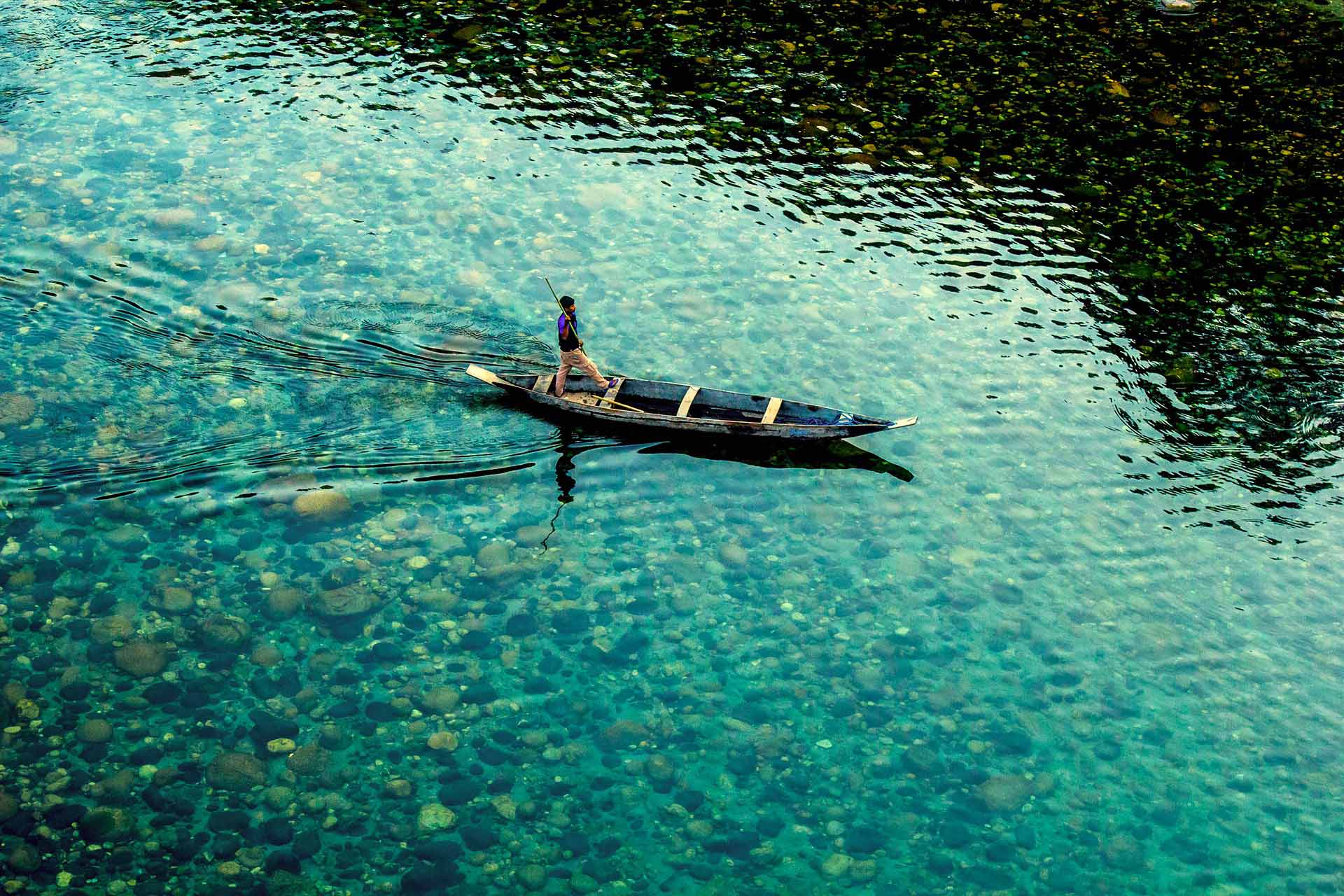
Backwaters
The backwaters of Kerala are a peaceful and serene network of water channels that run adjacent to the coast of the Arabian Sea. With more than 200 km of palm-fringed lagoons, canals and rivers, the labyrinth of channels that forms the Keralan backwaters are a stunning sight to behold and the perfect place to unwind and tune in to the slow pace of life that dawdles here.
By far the most popular way to explore the backwaters is to charter a traditional Keralan Houseboat. The houseboats are made using old-style techniques. Wooden planks are held together with coconut fibres to make the hull, while the roof is constructed out of bamboo poles and palm leaves. The houseboats most certainly have a rustic charm and are a recommended choice if you can afford them! Sadly the price for chartering a houseboat has more than tripled over the last few years and nowadays you’d be lucky to find a boat for less than 10,000 rupees (£120) per night! That said, the boats are often furnished to a pretty high spec and the price typically includes a delicious Keralan meal served up on a banana leaf! Make sure you agree to the terms before booking, as I’ve heard some reports from other travellers that the food has been pretty basic. If you’re paying top dollar, then I think it’s standard to expect tiger prawns and beers be included in the price, so always check upfront exactly what’s being offered before you hand over any money.
If spending a small fortune on a houseboat isn’t your kind of thing, then fear not, as the whole experience is really rather overhyped in my opinion and the sector has become a bit congested recently, with far too many boats fighting for mooring spaces along the popular routes. You might therefore want to be a bit savvy and plan a trip during low season as not only will there be less people, but you’ll have a better chance of negotiating a good deal (low season being April – September).
As an alternative to taking a houseboat, there are several other cheaper (and dare I say even better!) options for you to consider…
As a cheaper alternative, then consider chartering a houseboat for a day trip instead. You could then look to spend the night in a homestay on the waterfront and save a few rupees in the process. The last time I slept on a houseboat, I distinctly remember being attacked by mosquitoes all night and seeing a large spider in my cabin in the morning, which might not be everyone’s idea of fun for a £200 price tag!
Alleppey is the main hub for the backwaters and if you get yourself down to the central ferry terminal, you can then look out for the local public ferry. For just a few rupees you can hop on board, as this service is very much used like a bus by the locals. It will give you a much more authentic experience of life afloat the Keralan backwaters. The downside is that these boats are quite big, meaning they only traverse fixed routes up and down the middle of the main channels, so you won’t get to see the village-life up close.
For a few rupees more than the public ferries are the government-run tourist boats. There are about 5 boats a day, which again run out of the Alleppey main ferry terminal. They also follow a similar route up and down the big channels but the main difference is that they have an open deck on top for sightseeing.
Another cheap option is to take the 8-hour long ferry from Alleppey to Kollam (or vice versa). The boat departs daily from the DTPC boat jetty at 10:30 am and costs 300 rupees (price last checked in 2016). Some people might want to take note that this boat makes a stop along the way at the Matha Amrithanandamayi (Mission of the Hugging Mother). In my opinion, this boat journey is quite long and considering there are no amenities on board, can also become a bit repetitive and tedious after some time.
I save the best option till last and suggest that the greatest way to experience the Keralan backwaters is to rent a small canoe, kayak or what the locals call a Shikara (small motor boat) and take a tour of the narrower canals and lagoons. You might not get all the luxuries of a houseboat, but you will definitely see a lot more and have a great day out. Highly enjoyable!
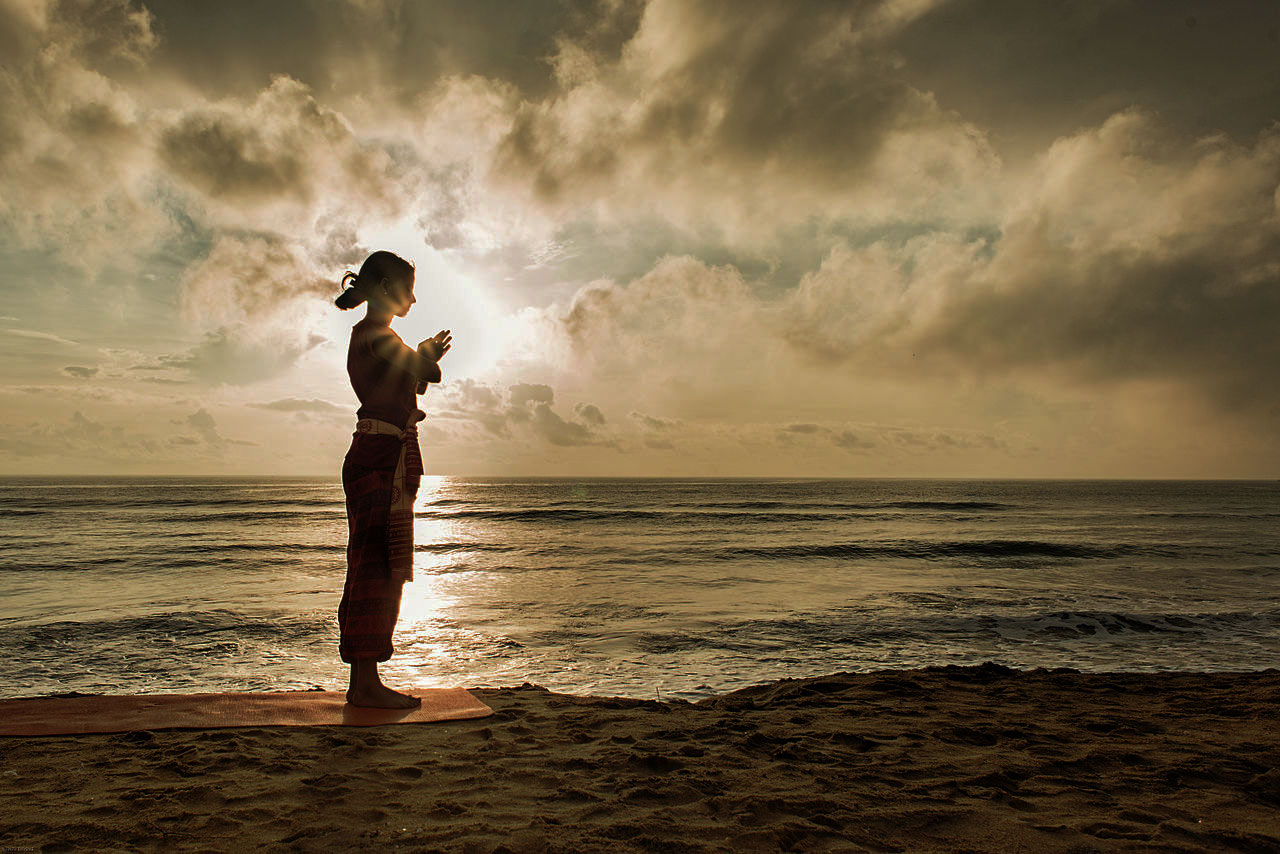
Yoga & Meditation
I can’t remember the exact words (so I will paraphrase here) but the late, great writer, Kushwant Singh, made me laugh once when he wrote that…
“The Western obsession for Yoga and spirituality in India is a complete mystery to the native people and could be compared to thousands of Indians flocking to the U.K and being totally obsessed with Morris Dancing.”
The common Indian of today is more concerned with establishing his prosperity within a notoriously materialistic society and has very little time for chanting mantras and opening chakras. On the other hand, having been raised in the western world, I concede there is a great craving for spirituality in our world today and must confess I’m a bit of a wannabe Yogi myself!
Yoga has become big business in recent years and the Indian response to this growing western appetite for self-discovery means there are literally thousands of schools and programs to choose from. Furthermore (and especially if you’re new to yoga) it can be overwhelming to get your head around all the different techniques and styles on offer. In this way, it’s always good to choose a retreat that will introduce you to a selection of styles, so you can hopefully discover what’s best for you. With any luck, some of the recommendations below will put you onto the right track.
One should always tread carefully when seeking out an ashram in India because there are plenty of charlatans in this sector, who are more concerned with taking your money than teaching anything spiritual. Always read reviews online and speak to previous students if you can to make sure you’re in for a good ride.
As with many things in India these days, yoga doesn’t necessarily come cheap, but in most cases, spending a bit of money will assure you get a comfortable place to stay with good food and access to excellent teachers. Some institutions are extremely popular and get booked up quickly so consider reserving a space well ahead if you can.
Another thing to mention is that while the focus of yoga taught in the west is predominantly centred around the physical experience; holding poses (asanas), the majority of schools in India place a greater emphasis on the spiritual and philosophical aspects of Yoga; namely breathing, meditation, cleansing and even community work (seva).
The list below mentions some of the more popular and established retreats and institutions to be found in India. Many of these places offer introductory courses and drop-in day classes as well as lengthier programs, typically referred to within the industry as teacher-training programs. I’ve always found this term a bit mis-leading, for surely a yogi should have practiced for many years before even considering training to become a teacher?
Please consider that this list is not exhaustive and there are many other retreats (particularly the more traditional ones), that don’t have much of a footprint on the Internet. Rishikesh is an obvious place to see what’s on offer locally, as it’s widely considered as the Yoga Capital of North India along with Mysore being the best hub for yoga in the South.
BEST YOGA RETREATS FOR BEGINNERS IN INDIA
Purple Valley
Assagao, Goa
If you like your modern day comforts then this school is the one for you. Based in Goa in a serene setting with fast WIFI, comfortable rooms and excellent food included, not to mention fantastic classes with access to some of the world’s best Yoga teachers. The programs here are notoriously intense, but beginners are not only welcome but also encouraged to sign up!
Himalayan Iyengar Yoga Centre
Dharamkot, Himachal Pradesh & Arambol, Goa
This is a great choice for beginners as they offer a 5-day introduction to yoga program, which is a compulsory gateway to accessing a much wider range of their intermediate courses. The founder of this Shala is a long-time disciple of BKS Iyengar and the school is always well reputed for excellent teaching. The courses are held in two centres, which are open at different times of the year. The summer months are spent at a stunning retreat in the Himalayas while the winters are down south in the old hippy town of Arambol in Goa.
Phool Chatti
Rishikesh
Phool Chatti (meaning land of flowers) is set beside an ancient pilgrimage route on the banks of the holy river Ganges and 5km upstream from the yoga capital of the world, Rishikesh. The seven-day yoga course is designed to introduce students to a wide range of yoga and meditation practices. The ashram itself is over 100 years old but the building was renovated recently, so rooms come with some modern comforts, including hot showers.
Best Yoga Retreats for intermediate Yogis in India
Bihar School of Yoga
Munger, Bihar
Open to all (beginners – advance) but with quite an intensive schedule to follow that focuses more on yoga as a lifestyle. The program involves early starts (4am) with the inclusion of Seva each day, meaning you will be expected to muck in with gardening, kitchen work and cleaning. Don’t be put off however as the feedback from previous students is that the practice here is extremely rewarding.
Sivananda Ashrams
Pan-India and worldwide
The Sivananda School needs little endorsement and is perhaps one of the most established yoga institutions in the world. They have many centres dotted all over the planet, with nine different locations to choose from in India. They offer everything from free intro classes for beginners to long-term teacher training programs. Considering their worldwide presence it might make sense for you to drop into a centre in your own country first for more information about their courses and approach.
Mysore Mandala
Mysore
Set on a beautiful organic farm is this well placed and highly reputed yoga centre. The main focus here is on Ashtanga yoga, but the Shala also offers a wide range of other classes to choose from, with the teacher training being highly regarded. They also offer up daily drop-in classes and a wide selection of other courses for all levels and timescales.
Best Yoga Retreats for hard-core Yogis in India
Ramamani Iyengar Memorial Yoga Institute
Pune
This ashram entices serious students of yoga from all over the globe. It holds regular classes in Iyengar Yoga (a form of Hatha Yoga) for all levels. Unfortunately, there can be a two-year wait to get a place at the Institute. As the Institute emphasizes the in-depth study of yoga, students are also required to have substantial prior experience in practicing Iyengar Yoga.
Ashtanga Institute
Mysore
Located in Mysore and run by descendants of the revered guru Sri Krishna Pattabhi Jois, the Ashtanga Institute offers on-going intensive courses throughout the year. The classes are for serious students only, and places are much sought after so look to book well in advance. Accommodation isn’t provided but there’s plenty to be found close by in the beautiful city of Mysore.
Mysore Krishnamachar Yoga Shala
Mysore
Classes are taught at this popular institution by the world-renowned guru, BNS Iyengar, famous for developing his own style, which unsurprisingly is known as Iyengar Yoga. Students are required to register for a minimum of one month so as to complete an in-depth yoga experience. Classes are known for being pretty tough, but for some this is the main draw of signing up! The course is definitely for experienced yogis and their website suggests prospective students should have some foundation in yoga practice to gain the full benefits of the course.
Traditional Yoga Retreats in India
Parmarth Niketan
Rishikesh
Set amongst stunning mountain scenery is this wonderfully spiritual place to practice yoga. The ashram is huge, furnished with 1000 rooms on its eight-acre campus. It runs a whole range of programs to suit all from drop-in classes and weekend retreats for beginners to longer teacher-training programs. They even host and perform sacred Indian wedding ceremonies too.
Yoga Institute
Mumbai
The Yoga Institute is the oldest organised centre of yoga in the world. It was founded in 1918 by Shri Yogendraji, who was a disciple of Shri Paramhamsa Madhavadasji (a renowned yoga master from Bengal). The Institute, while not being as well known as some of India’s other Shalas offers a range of excellent courses, workshops, and camps. The therapeutic health camps are of particular interest to many foreign visitors. These aim to overcome specific ailments including heart and respiratory problems, hypertension, diabetes, orthopedic conditions, and stress related issues. There are also special programs for children and pregnant women.
International Centre for Yoga Education and Research
Pondicherry
Located near the coast in the beautiful town of Pondicherry is arguably the most traditional and immersive centre on this list. They teach a very classical style and run a six-month teacher-training course (which only accepts 10 students per year) and requires a year-long correspondence course before you’re even eligible to apply. In a less intense fashion, they also run a three-week course on Yantra (the science of number, name and form) alongside daily yoga and pranayama practice.